Field notes on watercolour: paper, pigment, water and light
The Wet Edge
Every entry on this bench takes one question about watercolour and answers it: what a single-pigment tube actually does on a cold-pressed sheet, why one edge of a wash dries hard and the other disappears, how a value study survives a sky that changes every ten minutes, and what a studio owes a class, an exhibition and an edition. An entry is written from the standards, the manufacturer literature, the conservation publications and the museum catalogues that were actually read, then filed under one of four rubrics: pigments and paper, water and washes, ground and light, studio and print. Nothing here is for sale.
Kept by The Wet Edge6 entries4 sections
Latest entry

Latest entries
-
ST-00130 D
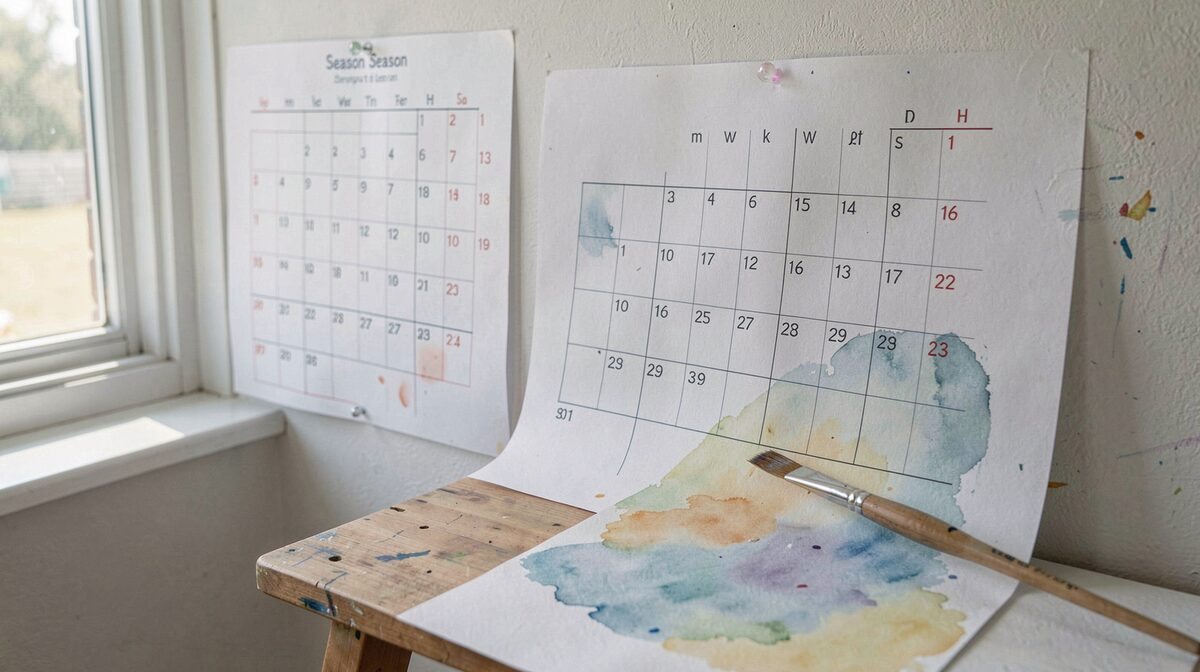
How to Read an Arts Calendar
An arts calendar is a working document. Learn to read exhibition openings, class listings, and season posters without wasting a trip.
Studio and print1378 words1 source
-
ST-00230 D
Documenting a Season of Community Song
How a community arts group records its season: rehearsal logs, teaching notes and concert records, and what a paper trail is worth to the next singer.
Studio and print925 words2 sources
-
GR-00230 D

Planning a Painting Day Like a Shoot Day
A painting day outdoors runs on the same logic as a small film shoot: light window, travel, setup, safety, and a plan that survives weather.
Ground and light861 words1 source
-
GR-00130 D
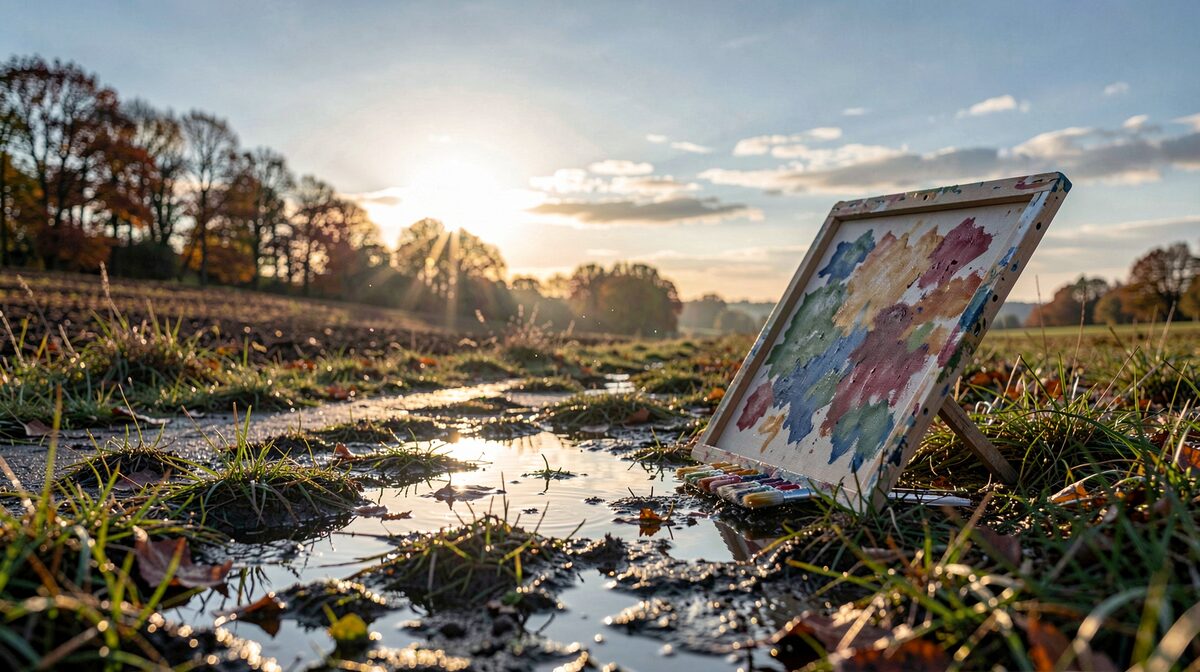
Reading French Light for Watercolour
How to read a French landscape for watercolour: light, water season, and slope. A guide for painters who want to understand a gesture before repeating it.
Ground and light1044 words2 sources
-
WA-00130 D
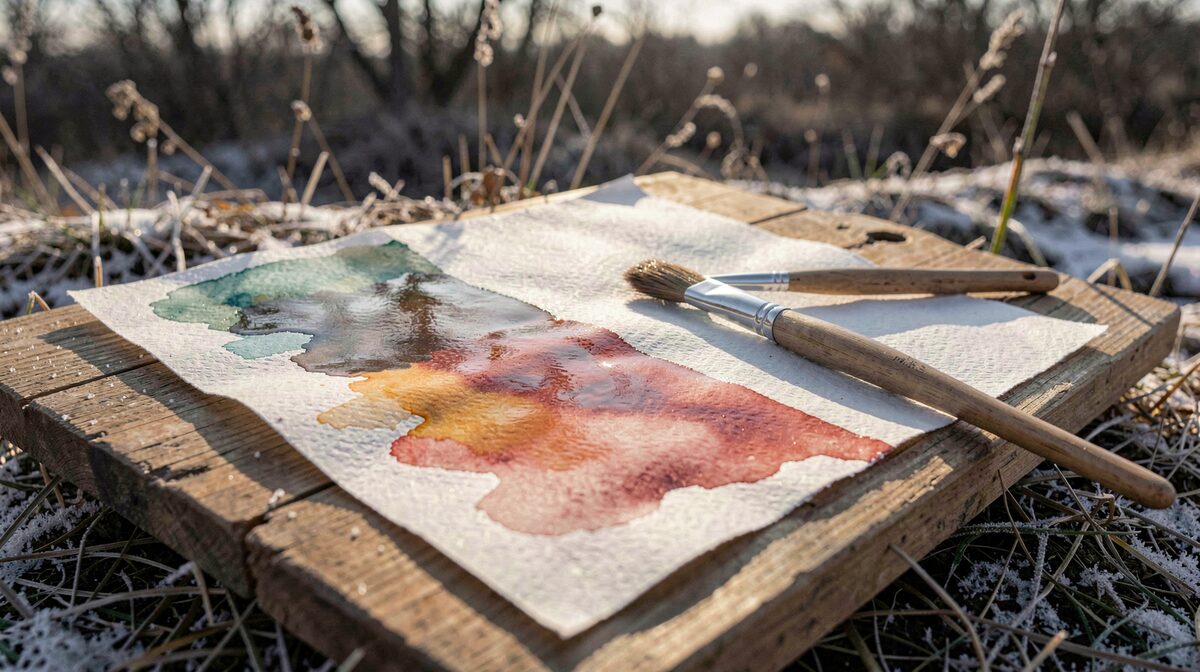
Cold Dry Air and Wind: How a Wash Dries
Cold dry air and wind pull water from a watercolour wash faster than a still studio. The edge closes sooner, the paper cools, and the timing of every pass
Water and washes846 words1 source
-
PG-00130 D

Buying Secondhand Books at a Distance
How to buy used books remotely: where to look, how to read a seller's description and title page, and which payment and shipping terms to verify before money
Pigments and paper1149 words2 sources


The countdown drawer
Entries are filed by age: the notch of an entry is computed from its date, not from its subject.
-
30 D
Under 30 days
6 entries
-
90 D
30 to 90 days
no entry at this notch in this edition
-
180 D
90 to 180 days
no entry at this notch in this edition
-
365 D
180 to 365 days
no entry at this notch in this edition
-
365+
Over a year
no entry at this notch in this edition
What the file covers
- Pigments and paper 1 page
Single pigments, granulation, lightfastness, paper weight, sizing and surface, stretching a sheet and how a finished painting is stored.
- Water and washes 1 page
Wet in wet, wet on dry, hard and soft edges, blooms, lifting, glazing and the timing that decides which wash is possible today.
- Ground and light 2 pages
Choosing what to paint outdoors: rivers, coast, forest and weather, the plein air kit, sketching on site and reading values in changing light.
- Studio and print 2 pages
The working studio: teaching a class, hanging an exhibition, making prints and artist books, framing, archiving and pricing an edition.
Other notebooks on the shelf
Desks kept elsewhere that answer a question this journal only brushes. Each one was read before it was shelved here, and each is named for what it holds.
the outside drawer is empty in this edition